Thank You Slimline Card SVG: A Designer’s Review for Real Client Projects
First Impressions: Elegant, Modern, and Versatile
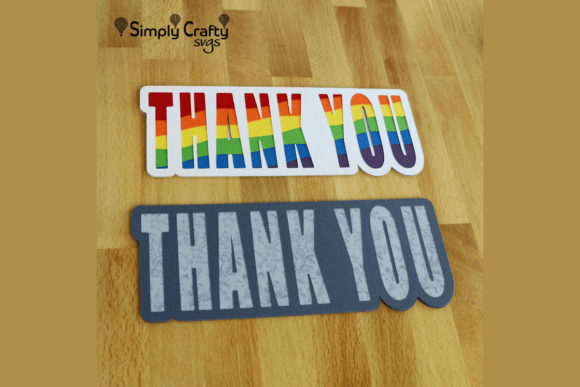
Opening the Thank You Slimline Card SVG file, the first thing that stands out is its clean, elongated format. It's a fresh take on the traditional greeting card design, offering a modern, slightly minimalist aesthetic that still feels warm and personal. As a designer working with small businesses and handmade brands, this SVG has the potential to fit into a variety of visual narratives—from seasonal campaigns to boutique packaging design.
The 3D effect is subtle but effective, giving the design a tactile quality that works well in both digital and print formats. It doesn't scream attention but instead supports the overall mood with a quiet elegance. This makes it especially useful for clients who want to convey gratitude in a sophisticated, understated way—think boutique thank-you notes, Etsy packaging inserts, or branded stationery.
Practical Use Across Design Projects
Where this Thank You Slimline Card SVG truly shines is in its adaptability. I tested it across several design scenarios, and it performed consistently well. Here are some key applications where it added visual value:
- Packaging design: The slimline format integrates beautifully into narrow label spaces or as a decorative accent on product boxes.
- Printable designs: For digital sellers offering thank-you cards or printable wall art, this SVG can be layered with other elements to create themed collections.
- Marketing visuals: Used as a supporting graphic in social media posts or email footers, it reinforces brand sentiment without overpowering the message.
- Cricut projects: The vector format allows for clean, precise cuts—ideal for crafters and DIY creators selling on Etsy or at local markets.
- Product mockups: Placed on digital mockups for t-shirts, mugs, or tote bags, it gives a professional finish that aligns with lifestyle branding.
Where This Design Asset Excels
This SVG works best in contexts that allow for a little visual storytelling. Here are the environments where it delivers the strongest impact:
- Hero graphics: On landing pages or campaign banners where the focus is on emotional engagement.
- Themed collections: Paired with other greeting card designs or seasonal illustrations for cohesive printable sets.
- Decorative accents: Adds a touch of elegance in corners or borders of editorial layouts or Canva templates.
- Brand consistency: When used across multiple touchpoints—packaging, social media, merchandise—it reinforces brand recognition.
Where to Use It with Caution
While versatile, this design asset isn’t a one-size-fits-all solution. Here are some situations where it may not be the best fit:
- Small-scale applications: The intricate details may get lost in tiny print or low-resolution digital displays.
- Minimalist branding: For clients who prefer ultra-clean, flat design aesthetics, this SVG may feel too decorative.
- Complex layouts: In busy compositions with multiple visual elements, it can become visually cluttered or distracting.
- Corporate design: Unless the brand tone is warm and expressive, this design may not align with formal or professional visual identities.
Impact on Branding and Audience Engagement
From a branding standpoint, the Thank You Slimline Card SVG adds a human touch that can elevate a brand’s visual tone. It’s especially effective for handmade businesses or local brands that want to communicate sincerity and care through their design choices.
It enhances emotional appeal and audience engagement by offering a sense of authenticity. When used consistently across marketing materials, it contributes to a unified brand voice—especially in client-facing assets like thank-you cards, packaging slips, or customer appreciation emails.
However, designers should be mindful of how it interacts with typography. I tested it alongside serif, sans-serif, script, and display fonts, and found it pairs best with clean sans-serif or elegant script fonts that don’t compete for attention.
Designer Notes: What to Check Before Using Commercially
Before integrating this SVG into a client project, here are a few key checks every designer should perform:
- Test in black and white: Confirm the design still reads clearly without color cues.
- Contrast testing: Review how it appears on both light and dark backgrounds, especially for web and social media use.
- Scalability: Preview at small and large sizes to ensure it maintains clarity across formats.
- Mockup placement: Use real product mockups to see how it integrates with physical items like greeting cards, mugs, or apparel.
- Print quality: If using for print-on-demand, verify file resolution and bleed settings if applicable.
- File formats: Check if PNG and SVG versions are included, and whether transparency is preserved in the PNG.
- Editability: Open the SVG in Adobe Illustrator or a similar vector editor to ensure layers are editable and organized.
- Font pairing: Test with different font families to see how it complements or contrasts with typographic elements.
- Licensing: Always confirm that the design asset comes with a commercial license, especially when used for client work or digital products sold online.
Final Thoughts: A Valuable Addition to Any Creative Toolkit
In the context of a real client project—say, a seasonal product launch for a small candle brand or a curated gift box line—the Thank You Slimline Card SVG offers a refined visual element that supports the brand’s emotional messaging. It’s not just a greeting card design; it’s a tool that enhances the overall design direction and adds a touch of professionalism.
For designers, brand owners, and digital sellers, this SVG is a smart investment. It’s adaptable enough for a wide range of creative design applications, from packaging to social media, and polished enough to elevate a brand’s visual presence. As long as it’s used thoughtfully and aligned with the project’s visual tone, it can become a go-to asset in your design workflow.